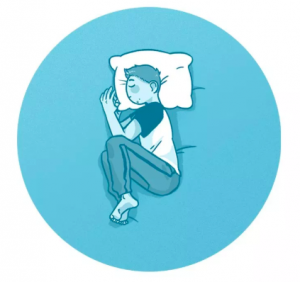
Can’t Sleep? Do These Stretches Before Bed
Sleep difficulties can stem from stress, poor posture, or tight muscles, making it hard for your body to relax. Incorporating gentle stretching into your nighttime routine can help release tension, improve circulation, and prepare both your mind and body for restful sleep. Chiropractors often recommend specific stretches to promote spinal health and overall wellness, which can enhance sleep quality.
For guidance on safe and effective stretches, resources like Custom Chiropractor provide expert advice and educational articles on posture, muscle health, and chiropractic care.
Why Stretching Before Bed Helps
When your muscles are tense, your body remains in a state of alertness. Stretching helps activate the parasympathetic nervous system, which is responsible for relaxation. If you’re thinking, “Why stretch?” know that the benefits go beyond comfort:
- Reduces muscle tightness and joint stiffness
- Lowers stress and anxiety levels
- Improves blood flow and oxygen delivery
- Supports spinal alignment and posture
- Encourages deeper, more restorative sleep
Chiropractors emphasize that stretching, combined with proper spinal care, helps maintain long-term musculoskeletal health. Learn more about the benefits of chiropractic care.
Neck and Shoulder Stretches
Tight neck and shoulder muscles can prevent you from falling asleep comfortably. If you’re asking, “Why can’t I sleep?,” start with these areas.
Side Neck Stretch
Sit upright, gently tilt your head toward one shoulder, and hold for 20–30 seconds. Repeat on the other side. This helps release tension in the cervical spine and reduce headaches.
Shoulder Rolls
Roll your shoulders slowly forward and backward for 10 repetitions each. Shoulder rolls improve circulation, loosen muscles, and relieve upper body stress.
If neck discomfort persists, explore resources like neck pain treatment and relief for guidance.
Lower Back Stretches
Lower back tightness is a major reason people struggle to sleep. If you’re thinking, “How am I still awake?” these stretches can help release tension and improve spinal mobility.
Knees-to-Chest Stretch
Lie on your back and gently pull both knees toward your chest. Hold for 30 seconds while breathing deeply. This helps decompress the lumbar spine and release built-up tension.
Seated Forward Fold
Sit on the edge of your bed with legs extended. Slowly hinge forward from the hips and reach toward your toes. Stop when you feel a gentle stretch in the lower back and hamstrings.
Learn more about back care and stretching techniques in back pain treatment resources.
Hip and Leg Stretches
Tight hips and hamstrings can interfere with spinal alignment and cause restless nights. When you think, “I won’t be able to get any sleep with this pain,” include these stretches for your lower body.
Figure-Four Hip Stretch
Lie on your back, cross one ankle over the opposite knee, and gently pull the supporting leg toward your chest. Hold for 20–30 seconds per side to stretch the glutes and hip muscles.
Hamstring Stretch
While lying down, extend one leg upward and hold behind the thigh, keeping your knee slightly bent if necessary. Hold for 20–30 seconds, then switch legs. This relieves tension in the hamstrings and lower back.
Chiropractors highlight the importance of hip mobility in maintaining a healthy spine. Check out hip pain and posture education for more guidance.
Full-Body Relaxation Stretches
For overall relaxation, full-body stretches can help your entire nervous system unwind so try these movements next!
Child’s Pose
Kneel on the floor, sit back on your heels, and stretch your arms forward while lowering your chest. This gently elongates the spine and helps calm the nervous system.
Supine Spinal Twist
Lie on your back, bring one knee across your body, and gently rotate. Hold for 20–30 seconds, then switch sides. This promotes spinal mobility and overall relaxation.
Combine these stretches with professional chiropractic guidance for optimal benefits. Learn more about chiropractic adjustments and how they support spinal health.
How Often Should You Stretch Before Bed?
Consistency is key for the best results. If you regularly ask yourself, “When will I get a good night’s rest?,” aim for 5–10 minutes each night. Gentle stretching is ideal—avoid intense or painful stretches before sleep.
If pain or stiffness persists, a personalized assessment may be necessary. Clinics such as Custom Chiropractor offer tailored plans based on posture, lifestyle, and spinal health.
Additional Tips for Better Sleep
Beyond stretching, improving sleep hygiene can enhance results:
- Maintain a consistent sleep schedule
- Limit screen time before bed
- Create a dark, cool, and quiet sleeping environment
- Practice deep breathing or mindfulness meditation
For more guidance on sleep and musculoskeletal health, see supporting articles from reputable sources like Sleep Foundation and Healthline Sleep Health.
Final Thoughts
If you’re struggling with sleepless nights, remember this simple mantra: “Can’t Sleep? Do These Stretches Before Bed.” Stretching relaxes muscles, eases tension, and helps your nervous system prepare for rest. Combined with chiropractic care and good sleep habits, these stretches can significantly improve your sleep quality.
Start tonight with just a few gentle stretches, breathe deeply, and allow your body to unwind. Over time, you’ll notice falling asleep faster, waking less often, and waking up feeling more refreshed. For more guidance, explore the resources and services offered by Custom Chiropractor.