Sciatic Nerve Pain: Causes, Symptoms, and Treatment
Sciatic nerve pain, commonly referred to as sciatica, is one of the most frequent causes of lower back and leg discomfort, affecting millions of people worldwide. Understanding what causes this condition, how it feels, and which treatments are most effective can help patients find lasting relief and prevent future flare-ups.
In this article, we’ll explore causes, symptoms, and treatment options in depth, including how chiropractic care can play a key role in recovery.
What Is Sciatica?
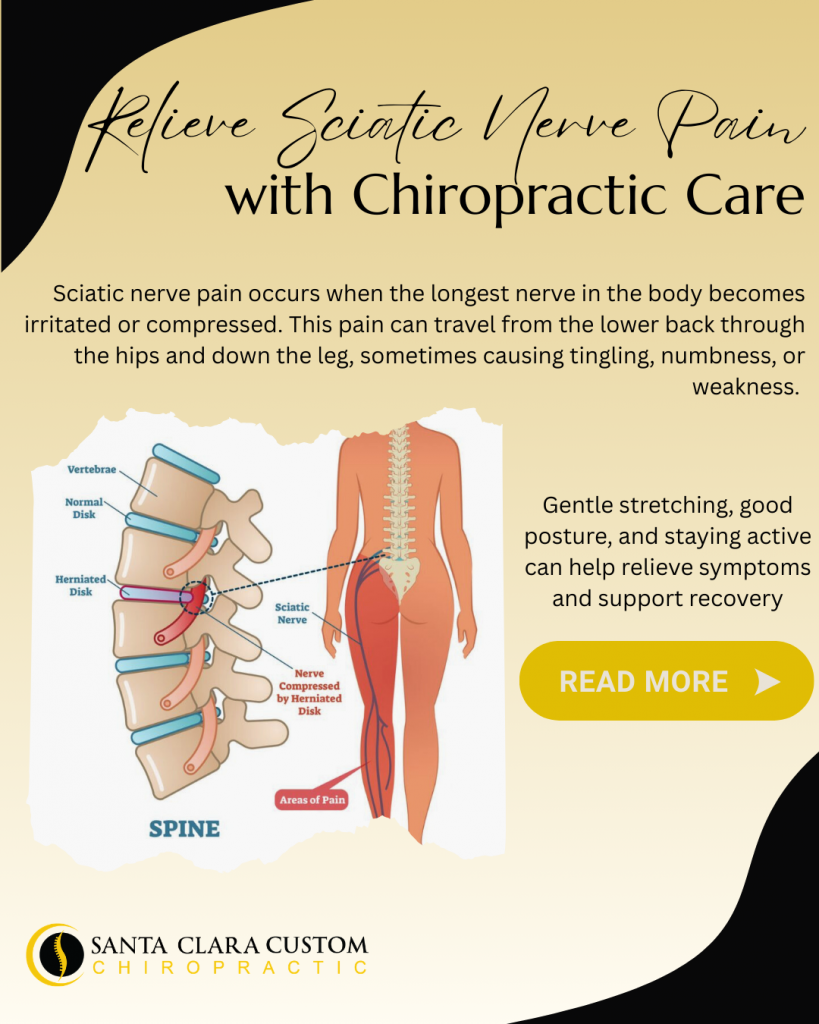
The sciatic nerve is the largest and longest nerve in the human body, running from the lower spine through the hips, buttocks, and down each leg. Sciatic Nerve Pain occurs when this nerve becomes compressed, irritated, or inflamed.
Unlike general back pain, sciatica typically radiates from the lower back into the leg, often affecting only one side of the body. Learning about sciatica is essential for identifying the condition early and choosing the right care.
Common Causes of Sciatic Nerve Pain (Sciatica)
Several underlying issues can lead to Sciatic Nerve Pain (Sciatica). Some of the most common causes include:
Herniated or Bulging Discs
When a spinal disc bulges or ruptures, it can press directly on the sciatic nerve, triggering pain, numbness, or weakness.
Spinal Stenosis
This condition involves a narrowing of the spinal canal, which can compress the sciatic nerve and worsen symptoms over time.
Piriformis Syndrome
The piriformis muscle, located deep in the buttock, can irritate the sciatic nerve when it becomes tight or inflamed.
Degenerative Disc Disease
Age-related wear and tear on the spine may contribute to chronic sciatic nerve pain.
For a natural, non-invasive approach to addressing these causes, many patients turn to chiropractic care. Learn more about conservative treatment options at Custom Chiropractor.
Symptoms of Sciatic Nerve Pain (Sciatica)
The symptoms associated with sciatica can vary widely depending on the severity and location of nerve compression.
- Sharp or burning pain radiating down the leg
- Lower back pain that worsens with sitting
- Numbness or tingling in the leg or foot
- Muscle weakness in the affected leg
- Pain that intensifies when coughing or bending
And, if left untreated, the pain may become chronic and interfere with daily activities.
How Sciatic Nerve Pain (Sciatica) Is Diagnosed
Proper diagnosis is a critical part of managing sciatica. Healthcare providers typically begin with a physical exam, assessing reflexes, strength, and range of motion.
In some cases, imaging studies such as X-rays or MRI scans may be used to identify disc problems or spinal misalignment. Chiropractors often specialize in detecting biomechanical issues that contribute to nerve compression.
You can explore chiropractic evaluation and care options at Custom Chiropractor’s chiropractic services.
Treatment Options for Sciatic Nerve Pain (Sciatica)
When it comes to sciatic nerve pain, treatment typically starts with conservative approaches.
Chiropractic Care
Chiropractic adjustments aim to restore proper spinal alignment, reduce nerve pressure, and improve mobility. Many patients experience significant relief through regular chiropractic care.
Physical Therapy and Exercise
Targeted stretching and strengthening exercises can relieve pressure on the sciatic nerve and prevent future episodes.
Lifestyle Modifications
Improving posture, using ergonomic seating, and maintaining a healthy weight can all reduce stress on the lower spine.
Medication and Pain Management
Although in some cases, anti-inflammatory medications may help manage short-term pain, though they do not address the root cause.
For drug-free, holistic care, visit Custom Chiropractor’s sciatica treatment page.
Preventing Sciatic Nerve Pain (Sciatica)
- Practice proper lifting techniques
- Stay active and stretch regularly
- Maintain good posture at work and home
- Seek routine spinal care
Preventive chiropractic visits can help keep the spine aligned and reduce the risk of recurring sciatica.
When to Seek Professional Help
If pain persists longer than a few weeks, worsens, or is accompanied by loss of bladder or bowel control, immediate medical attention is necessary. For most cases, however, early intervention with conservative care leads to excellent outcomes.
Reputable medical sources such as Mayo Clinic and Cleveland Clinic also emphasize early diagnosis and conservative treatment for sciatica.
By understanding the underlying causes and choosing effective, non-invasive treatments like chiropractic care, many patients achieve long-term relief.
To learn more about personalized treatment plans , visit Custom Chiropractor and take the first step toward pain-free living.