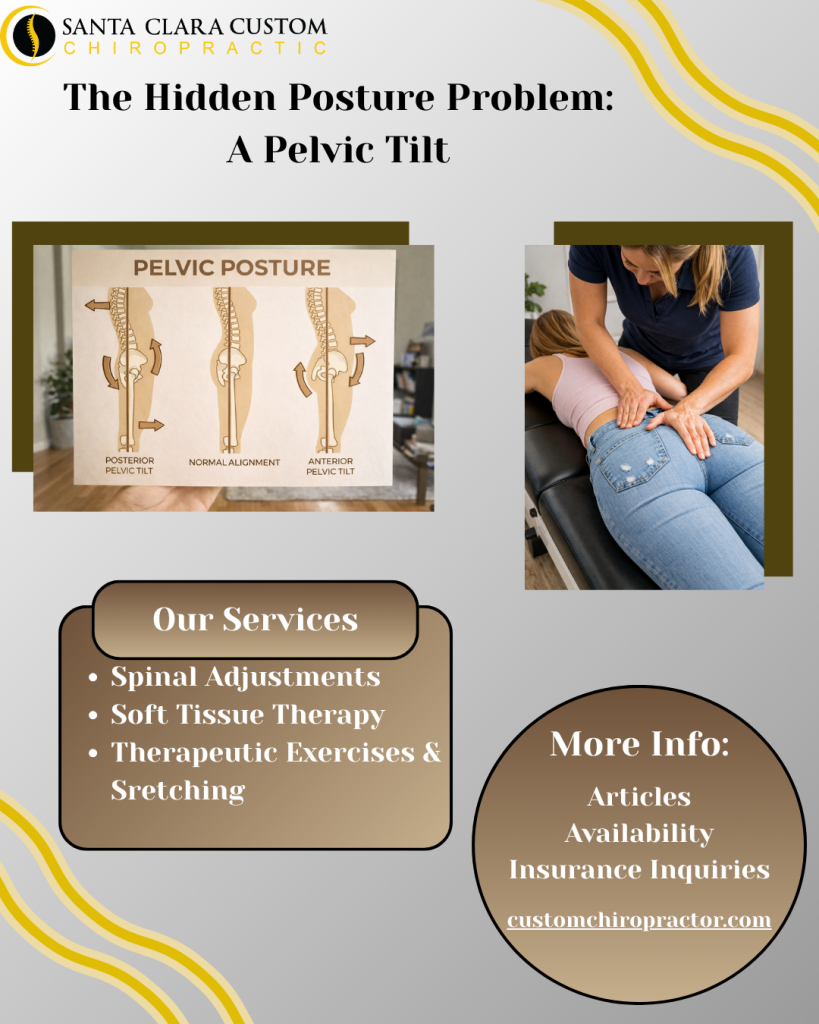
The Hidden Posture Problem: A Pelvic Tilt
Many people struggle with chronic back pain, hip tightness, or poor posture without realizing the true source of the problem lies in their pelvis, the hidden posture problem. Because the pelvis serves as the foundation of the spine, even a slight tilt can create a chain reaction of discomfort throughout the body.
Fortunately, understanding The Hidden Posture Problem: A Pelvic Tilt can be the first step toward long-term relief. With the right combination of awareness, corrective exercises, and professional care, it is possible to restore balance and move with greater ease.
What Is a Tilted Pelvis?
A pelvic tilt occurs when one side of the pelvis rotates forward or backward relative to the spine. The most common type is anterior pelvic tilt, where the front of the pelvis drops downward, and the lower back arches excessively.
Over time, this misalignment places extra stress on the lumbar spine, hips, and surrounding muscles. According to the Cleveland Clinic, pelvic tilt is often linked to muscle imbalances caused by prolonged sitting and poor movement habits.
Why a Tilted Pelvis Is a Hidden Posture Problem
One reason a tilted pelvis is overlooked is that symptoms rarely appear in the pelvis itself. Instead, people feel pain in the lower back, knees, or even the neck. Because the body compensates for pelvic misalignment, discomfort may show up far from the true source.
Additionally, modern lifestyles contribute heavily to this issue. Long hours at a desk, frequent phone use, and limited physical activity all encourage muscular imbalances. Over time, these habits reinforce faulty posture patterns that are difficult to break without targeted intervention.
Common Symptoms of a Tilted Pelvis
Recognizing the signs of a Tilted Pelvis can help you take action sooner rather than later. Common symptoms include:
- Persistent lower back pain or stiffness
- Tight hip flexors and hamstrings
- Abdominal weakness or core instability
- Uneven wear on shoes
- Limited hip mobility during exercise
While these symptoms may seem unrelated, they often share the same root cause: pelvic imbalance.
The Role of Muscle Imbalances
At the core of a Tilted Pelvis is muscular imbalance. Typically, tight hip flexors and lower back muscles pull the pelvis forward, while weak abdominal and glute muscles fail to provide adequate support.
As noted by Healthline, correcting pelvic tilt requires both stretching tight muscles and strengthening weak ones. Addressing only one side of the equation often leads to temporary results.
How Chiropractic Care Can Help
Professional care plays a crucial role in Fixing a Tilted Pelvis. Chiropractic adjustments help restore proper joint motion in the spine and pelvis, allowing the body to move more efficiently. When combined with corrective exercises, this approach supports long-term postural improvement.
At Custom Chiropractor, care plans are designed to address the root causes of pelvic misalignment rather than just masking symptoms. By focusing on alignment, mobility, and muscular balance, patients can experience lasting relief.
Learn more about targeted chiropractic care and how it supports posture correction and spinal health.
Corrective Exercises for Pelvic Alignment
Exercise is another essential component of Fixing a Tilted Pelvis. While general fitness is helpful, specific corrective movements are far more effective. Key exercises often include:
- Hip flexor and quadriceps stretches
- Glute bridges and hip thrusts
- Dead bugs and planks for core stability
- Hamstring mobility drills
Consistency matters. Performing these exercises several times per week helps retrain the body and reinforce healthier posture patterns.
Daily Habits That Support Better Posture
Beyond treatment and exercise, lifestyle changes play a major role in Fixing a Tilted Pelvis. Small adjustments to daily habits can significantly reduce strain on the pelvis and spine.
For example, taking frequent breaks from sitting, adjusting workstation ergonomics, and practicing mindful posture all contribute to better alignment. The Mayo Clinic emphasizes that posture awareness throughout the day is just as important as corrective exercise.
Why Early Intervention Matters
Ignoring these signs can lead to more serious complications over time. Chronic misalignment increases wear and tear on joints, raising the risk of disc issues, arthritis, and recurring injuries.
Early intervention, on the other hand, allows the body to adapt more easily. With professional guidance and consistent effort, many people see noticeable improvements in comfort, mobility, and overall posture.
Final Thoughts on Fixing a Tilted Pelvis
Fixing a Tilted Pelvis is not just about standing up straighter—it is about restoring balance to the entire body. Because the pelvis influences the spine, hips, and legs, correcting its alignment can have wide-reaching benefits.
If you suspect pelvic imbalance may be affecting your health, consider seeking expert guidance. A comprehensive approach that includes chiropractic care, corrective exercise, and lifestyle changes offers the most effective path forward.
Discover how personalized posture solutions at Custom Chiropractor can help you move better, feel stronger, and finally address the hidden posture problem at its source.