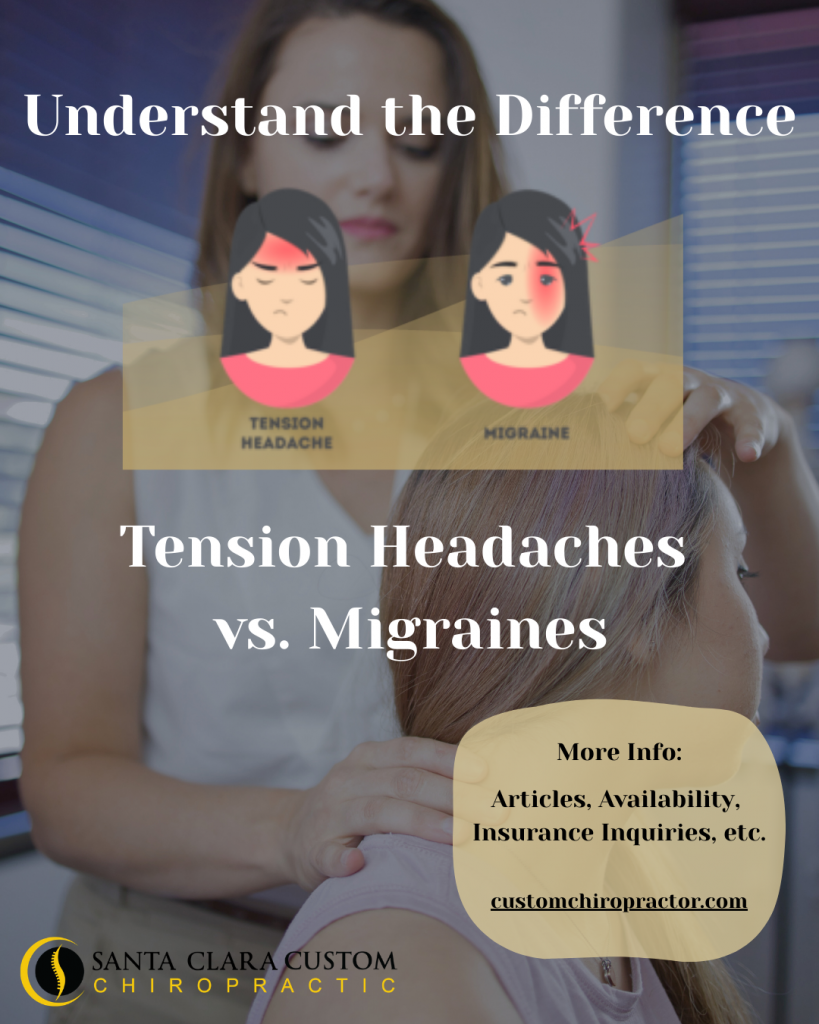
Tension Headaches vs. Migraines: What’s the Difference?
When persistent head pain begins to interfere with taking your daily routine, it’s natural to ask, “What’s the difference“? Although both conditions can cause significant discomfort, they are not the same. In fact, understanding the difference is essential for choosing the right treatment and preventing future episodes.
Many patients visit our clinic because they are unsure which type of headache they’re experiencing. While symptoms may overlap, the causes, severity, and treatment approaches often vary significantly. Let’s take a closer look at how to distinguish between the two and when chiropractic care may help.
What Are Tension Headaches?
Tension headaches are the most common type of headache. They are often described as a dull, aching pain or pressure around the forehead, temples, or back of the head and neck. Unlike migraines, tension headaches typically do not cause nausea or extreme sensitivity to light and sound.
According to the Mayo Clinic, tension headaches are frequently triggered by stress, muscle tension, poor posture, or fatigue. Consequently, individuals who spend long hours at a desk or looking down at screens are especially vulnerable.
Common symptoms include:
- Dull, steady head pain
- Sensation of tightness or pressure
- Tenderness in scalp, neck, and shoulders
- Mild to moderate intensity
Because they are often linked to muscle tension and spinal misalignment, many patients find relief through chiropractic care, which focuses on restoring proper alignment and reducing muscular strain.
What Are Migraines?
Migraines, on the other hand, are neurological in nature and typically much more intense. When discussing the differences, one major distinction is severity. Migraines often produce throbbing or pulsating pain, usually on one side of the head.
The NHS explains that migraines may also involve additional symptoms such as nausea, vomiting, blurred vision, and extreme sensitivity to light and sound. Some individuals experience an “aura” before the migraine begins, which may include flashing lights or tingling sensations.
Common migraine symptoms include:
- Throbbing or pulsing head pain
- Moderate to severe intensity
- Nausea or vomiting
- Light and sound sensitivity
- Visual disturbances (aura)
Therefore, while tension headaches are uncomfortable, migraines are often debilitating and may require more comprehensive management strategies.
Tension Headaches vs. Migraines: What’s the Difference in Causes?
Another key factor in understanding the difference lies in their underlying causes.
Tension headaches are commonly associated with:
- Muscle tightness in the neck and shoulders
- Spinal misalignment
- Stress and anxiety
- Poor posture
- Eye strain
In contrast, migraines may be triggered by:
- Hormonal changes
- Certain foods or dehydration
- Sleep disruptions
- Environmental stimuli
- Genetic predisposition
Because tension headaches frequently originate from musculoskeletal issues, addressing posture and spinal health through spinal adjustments can often reduce both frequency and severity.
How Pain Patterns Differ
When evaluating tension headaches vs migranies, examining the pain pattern can provide clarity.
Tension headaches usually feel like a tight band wrapping around the head. The discomfort is generally consistent and does not worsen with routine activity. Migraines, however, often intensify with movement, making everyday tasks challenging.
Additionally, migraines may last anywhere from four hours to several days, whereas tension headaches often resolve within a few hours, especially with rest or treatment.
Diagnosis and Professional Evaluation
If you frequently ask yourself, “is this a tension headache or a migraine“, it may be time for a professional evaluation. A healthcare provider will assess your symptoms, triggers, and medical history to determine the type of headache you are experiencing.
In some cases, imaging or neurological evaluation may be recommended. However, many headache cases are diagnosed clinically based on symptom patterns.
At our clinic, we evaluate posture, spinal alignment, and muscular tension to determine whether structural imbalances may be contributing to your discomfort. If you’re unsure about your symptoms, you can schedule a consultation here.
Chiropractic Care for Headache Relief
Now that we’ve explored the differences, let’s discuss treatment options.
Chiropractic care focuses on improving spinal alignment, reducing nerve irritation, and relieving muscular tension. According to research published by the World Health Organization, musculoskeletal dysfunction can play a role in certain headache disorders.
For tension headaches, chiropractic adjustments often:
- Reduce muscle tightness
- Improve posture
- Increase blood flow
- Decrease stress-related tension
For migraines, while chiropractic care is not a cure, it may help reduce trigger frequency by improving spinal mechanics and reducing nervous system irritation.
When to Seek Immediate Medical Attention
Although understanding that both are important, certain symptoms require urgent medical evaluation. Seek immediate care if you experience:
- Sudden, severe “worst headache of your life” pain
- Headache with fever and stiff neck
- Confusion or difficulty speaking
- Headache after head trauma
These symptoms may indicate a more serious condition that requires emergency treatment.
Prevention Strategies
Preventing headaches begins with identifying triggers. Whether you’re dealing with tension headaches or migraines, lifestyle modifications can make a significant difference.
Helpful strategies include:
- Maintaining proper posture
- Taking regular screen breaks
- Staying hydrated
- Managing stress through exercise or relaxation techniques
- Maintaining consistent sleep patterns
For patients struggling with posture-related discomfort, corrective care through targeted chiropractic services may provide long-term benefits.
Final Thoughts: Tension Headaches vs. Migraines: What’s the Difference?
Ultimately, understanding tension headaches vs. migraines empowers you to make informed decisions about your health. While tension headaches are often linked to muscle strain and stress, migraines involve complex neurological processes and more severe symptoms.
If you are unsure which type of headache you’re experiencing, or if headaches are interfering with your quality of life, professional guidance can help. By addressing spinal alignment, posture, and musculoskeletal balance, chiropractic care may serve as an effective part of your overall headache management plan.
If you’re ready to explore natural headache relief options, contact our team today and take the first step toward lasting comfort.