What is Athletic Tape?
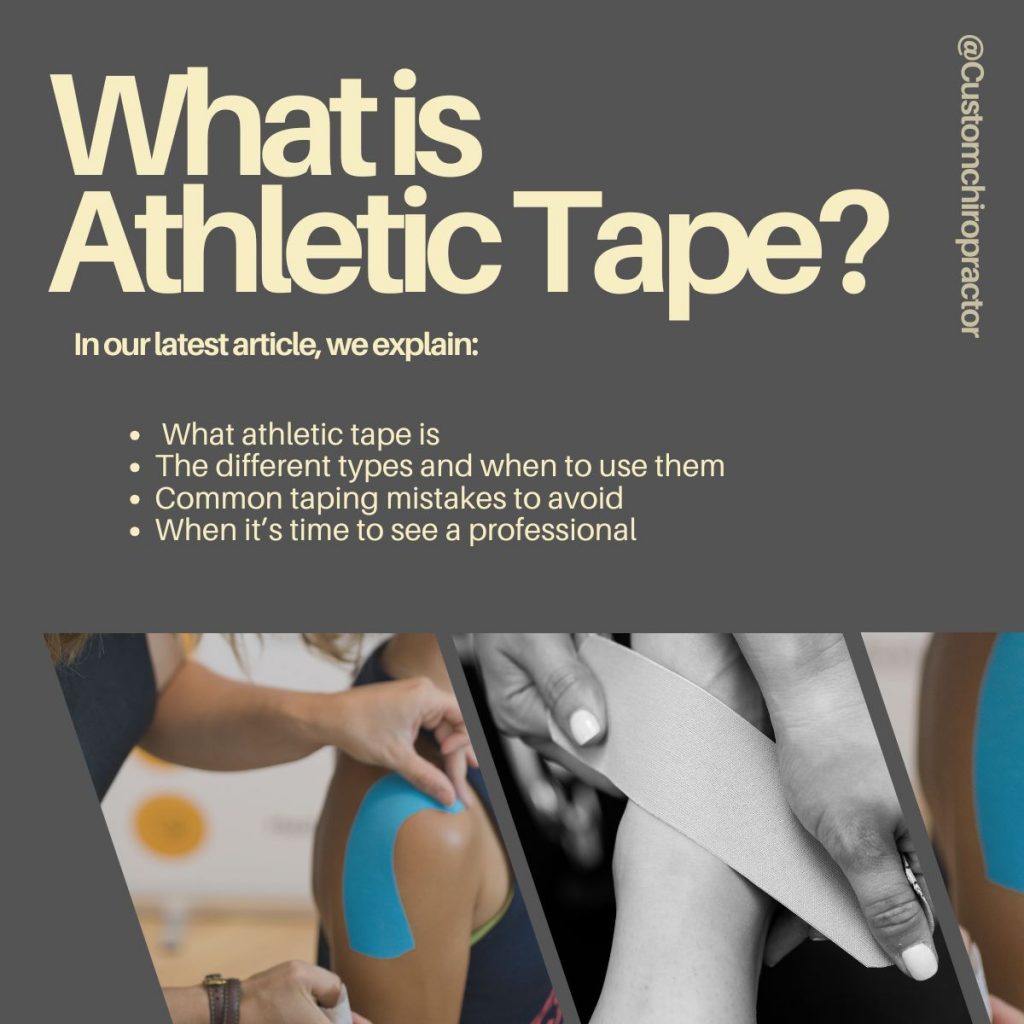
Athletic tape is a specialized adhesive tape designed to support muscles, stabilize joints, reduce pain, and help prevent injuries during physical activity. From professional athletes to weekend runners, athletic tape is widely used in sports, fitness, and rehabilitation settings. But what is it exactly, and why has it become such an essential tool in sports medicine?
In this comprehensive guide, we’ll explore what athletic tape is, how it works, the different types available, and when you should use it. If you’re dealing with sports injuries or looking for preventative care, you can also explore professional treatment options at Custom Chiropractor for expert guidance.
What is Athletic Tape and How Does It Work?
Athletic tape is primarily used to:
- Provide joint stability
- Limit harmful or excessive movement
- Reduce strain on muscles and ligaments
- Improve circulation (depending on the type)
- Support recovery after injury
When applied correctly, it helps maintain proper biomechanics during movement. It reinforces vulnerable areas without completely restricting mobility, which is especially important for athletes who need both stability and flexibility.
If you’re unsure whether taping is appropriate for your condition, consider scheduling a consultation through Custom Chiropractor’s contact page to receive personalized advice.
Types of Athletic Tape
There are several types of athletic tape, each designed for specific purposes. Knowing the difference helps you choose the right support for your needs.
1. Rigid Athletic Tape
Rigid tape is non-elastic and designed to restrict joint movement. It is commonly used for ankle sprains, wrist injuries, and ligament support. This type helps provides maximum stabilization, making it ideal for high-impact sports.
2. Kinesiology Tape
Kinesiology tape is elastic and mimics the stretch of human skin. Unlike rigid tape, it allows a full range of motion while improving circulation and reducing inflammation. Many athletes use it to manage muscle fatigue and enhance performance.
Learn more about injury recovery strategies by visiting Chiropractic Care Services.
3. Cohesive Tape
Cohesive tape sticks to itself but not to skin. It is commonly used as an overwrap or compression layer and is ideal for quick applications during sporting events.
4. Elastic Adhesive Bandage
This type of tape combines elasticity with strong adhesive properties. It provides moderate support while maintaining flexibility, making it suitable for muscle strains and minor sprains.
Benefits of Using Athletic Tape
It offers numerous advantages for both injury prevention and rehabilitation:
Injury Prevention
It helps stabilize vulnerable joints like ankles, knees, and shoulders. By limiting excessive movement, it reduces the risk of sprains and strains during physical activity.
Pain Reduction
Kinesiology tape can lift the skin slightly, which may improve lymphatic drainage and decrease pressure on pain receptors. This makes it a popular option for managing chronic discomfort.
Enhanced Performance
Many athletes report improved proprioception — the body’s awareness of joint position — when using athletic tape. This heightened awareness may improve coordination and performance.
Faster Recovery
When used correctly, athletic tape supports injured tissues without completely immobilizing them, promoting faster and safer healing.
If you’re currently recovering from an injury, you may benefit from reading injury recovery articles on Custom Chiropractor’s blog for expert insights.
Common Injuries Treated with Athletic Tape
Athletic tape is commonly used to address a wide range of musculoskeletal issues, including:
- Ankle sprains
- Tennis elbow
- Runner’s knee
- Shoulder instability
- Plantar fasciitis
- Wrist strains
While it can provide immediate support, it should not replace professional diagnosis and care. For comprehensive evaluation and customized treatment plans, visit Custom Chiropractor Services.
How to Apply Athletic Tape Properly
Correct application is crucial for tape to be effective. Improper taping can restrict circulation or fail to provide adequate support.
Basic Steps for Applying Athletic Tape:
- Clean and dry the skin thoroughly.
- Position the joint in a neutral or slightly stretched position.
- Apply anchor strips without excessive tension.
- Add support strips based on the injury type.
- Secure the tape without cutting off circulation.
If you are new to taping, it’s highly recommended to consult a healthcare professional. The team at Custom Chiropractor can demonstrate proper techniques to ensure maximum benefit.
When Should You Avoid Athletic Tape?
Although athletic tape is beneficial, it is not suitable for everyone. Avoid using athletic tape if you have:
- Open wounds or skin infections
- Allergic reactions to adhesives
- Circulatory disorders
- Undiagnosed severe injuries
If you experience numbness, tingling, or discoloration after applying athletic tape, remove it immediately and consult a healthcare professional.
Athletic Tape vs. Braces: Which is Better?
Many people wonder whether athletic tape or braces provide better support. The answer depends on the injury and activity level.
Athletic tape offers customizable support and flexibility, making it ideal for short-term use during sports. Braces, on the other hand, provide consistent support and are often used for longer recovery periods.
For a personalized recommendation, schedule an evaluation through Custom Chiropractor’s appointment page.
Is Athletic Tape Safe for Everyday Use?
Athletic tape can be safe for daily use if applied correctly and not overly tightened. However, relying solely on tape without strengthening the underlying muscles may delay full recovery.
Incorporating chiropractic adjustments, rehabilitation exercises, and professional treatment can provide long-term results. Learn more about holistic approaches at Custom Chiropractor.
Final Thoughts: What is Athletic Tape and Why It Matters
Athletic tape is a versatile and effective tool used to stabilize joints, reduce pain, prevent injuries, and enhance athletic performance. Whether you’re a competitive athlete or simply enjoy staying active, it can play an important role in maintaining musculoskeletal health.
However, athletic tape works best as part of a comprehensive care plan. If you’re experiencing recurring pain or sports injuries, professional evaluation is essential. Visit Custom Chiropractor to explore treatment options and receive expert guidance tailored to your needs.