What to Do After a Massage for Maximum Benefits
Massage therapy is one of the most effective ways to relax your muscles, reduce stress, and support overall wellness. However, many people don’t realize that the post-massage period is just as important as the treatment itself. Knowing what to do after a massage to maximize benefits can significantly improve how your body recovers, responds, and sustains the session’s results.
Massage stimulates circulation, releases muscle tension, and encourages your body to enter a relaxed healing state. According to the Mayo Clinic, massage therapy can help reduce muscle tension, improve circulation, and support stress management. Nevertheless, the way you care for your body after treatment plays a major role in how long those benefits last.
In this guide, we’ll explain what to do after a massage for maximum benefits so you can enhance your recovery, reduce soreness, and extend the positive effects of your session.
Drink Plenty of Water After Your Massage
One of the most important steps in understanding what to do after a massage is staying properly hydrated. Massage therapy increases circulation and stimulates soft tissues, which may release metabolic waste products that accumulate in tight muscles.
Drinking water helps your body flush these byproducts through your lymphatic system. In addition, hydration supports healthy muscle function and reduces the likelihood of post-massage soreness.
Experts from the
American Massage Therapy Association emphasize that proper hydration can enhance the body’s recovery after massage therapy.
Therefore, after your session, try to drink several glasses of water throughout the day. This simple tip is one of the easiest ways to practice post-massage habits for maximum benefits.
Give Your Body Time to Rest
Another essential tip when learning what to do after a massage is allowing your body to rest. Massage encourages muscles to relax deeply, and jumping immediately into strenuous activities can counteract those benefits.
Instead, try to schedule your massage during a time when you can relax afterward. Light activities such as walking or gentle stretching are perfectly fine, but intense workouts should be avoided for several hours.
Resting allows your muscles to adjust to the new relaxed state created during the massage. It also supports recovery and prevents unnecessary strain.
Take a Warm Shower or Bath
Taking a warm shower or bath is another helpful step when considering what to do after a massage. Warm water helps maintain muscle relaxation and can soothe areas that were deeply worked during your session.
In particular, warm water increases blood circulation, which supports the healing process. Some people also enjoy adding Epsom salts to their bath, as the magnesium may help relax muscles even further.
However, extremely hot water should be avoided immediately after deep tissue massage because your muscles may still be sensitive. Instead, aim for comfortable warmth that promotes relaxation.
Stretch Gently to Maintain Flexibility
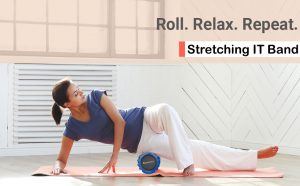
Stretching is another key part of post-massage habits. Massage loosens tight muscles, and gentle stretching can help maintain that improved flexibility.
For example, if your massage focused on the neck and shoulders, slow shoulder rolls and neck stretches can help extend the relief you feel after the session.
Additionally, stretching supports proper posture and mobility. If you regularly experience muscle tension related to posture or spinal alignment, combining massage with chiropractic care may be helpful. Many wellness clinics offer integrated treatment approaches like those described at
customchiropractor.com/chiropractic-care.
Eat Light and Nourishing Foods
Nutrition also plays a role in extending massage benefits. After a massage session, your body is in a relaxed and restorative state. Eating light, nourishing foods helps support that process.
Fresh vegetables, lean proteins, and healthy fats can provide the nutrients your muscles need for recovery. On the other hand, heavy or processed foods may make you feel sluggish and interfere with the relaxed feeling that massage creates.
Additionally, avoiding excessive alcohol or caffeine after your massage can help your body maintain its balanced state.
Pay Attention to How Your Body Feels
Understanding what to do after a massage for maximum benefits also means paying attention to your body’s responses. Many people feel extremely relaxed after massage, while others may experience mild soreness similar to the feeling after a workout.
This is especially common after deep tissue massage, which targets deeper layers of muscle and connective tissue. Mild soreness usually fades within 24 to 48 hours.
If discomfort occurs, hydration, gentle stretching, and rest can help your body recover comfortably. However, if soreness persists or becomes severe, you should consult your therapist or healthcare provider.
Maintain Good Posture Throughout the Day
Another important strategy in what to do after a massage is maintaining good posture. Massage relaxes tight muscles, which provides a great opportunity to reset your posture habits.
For instance, if you spend long hours sitting at a desk, try adjusting your workstation ergonomics. Sitting with proper spinal alignment can help preserve the improvements achieved during your massage.
In many cases, posture-related tension can also benefit from chiropractic care. Clinics such as
customchiropractor.com provide guidance on spinal alignment and musculoskeletal health.
Schedule Your Next Massage
One of the most overlooked aspects of massage care is planning regular sessions. While a single massage can provide temporary relief, consistent treatments often produce longer-lasting results.
Many people schedule massages every two to four weeks depending on their stress levels, physical activity, and health goals.
Regular massage therapy can help:
- Reduce chronic muscle tension
- Improve flexibility
- Enhance circulation
- Support mental relaxation
- Prevent recurring pain
If you are considering ongoing massage therapy, you can learn more about available services at
customchiropractor.com/massage-therapy.
Combine Massage With Other Wellness Practices
Finally, an effective strategy for maximum massage benefits is integrating it with other healthy habits. Massage therapy works best when combined with a balanced lifestyle.
Regular exercise, stretching, stress management, and proper posture can all help maintain the results of your massage sessions. Some individuals also combine massage with chiropractic adjustments, physical therapy, or yoga for a comprehensive approach to musculoskeletal health.
For those interested in holistic wellness approaches, organizations such as the
National Center for Complementary and Integrative Health provide research-backed information about massage therapy and related treatments.
Final Thoughts
Understanding what to do after a massage for maximum benefits can greatly enhance the results of your treatment. Hydration, rest, gentle stretching, and mindful self-care all play important roles in maintaining muscle relaxation and improving recovery.
Massage therapy is not just about relaxation during the session—it’s about supporting your body afterward as well. By following these simple steps, you can extend the positive effects of your massage and support long-term wellness.
Ultimately, practicing post-massage habits ensures that each session contributes to better health, reduced stress, and improved overall quality of life.