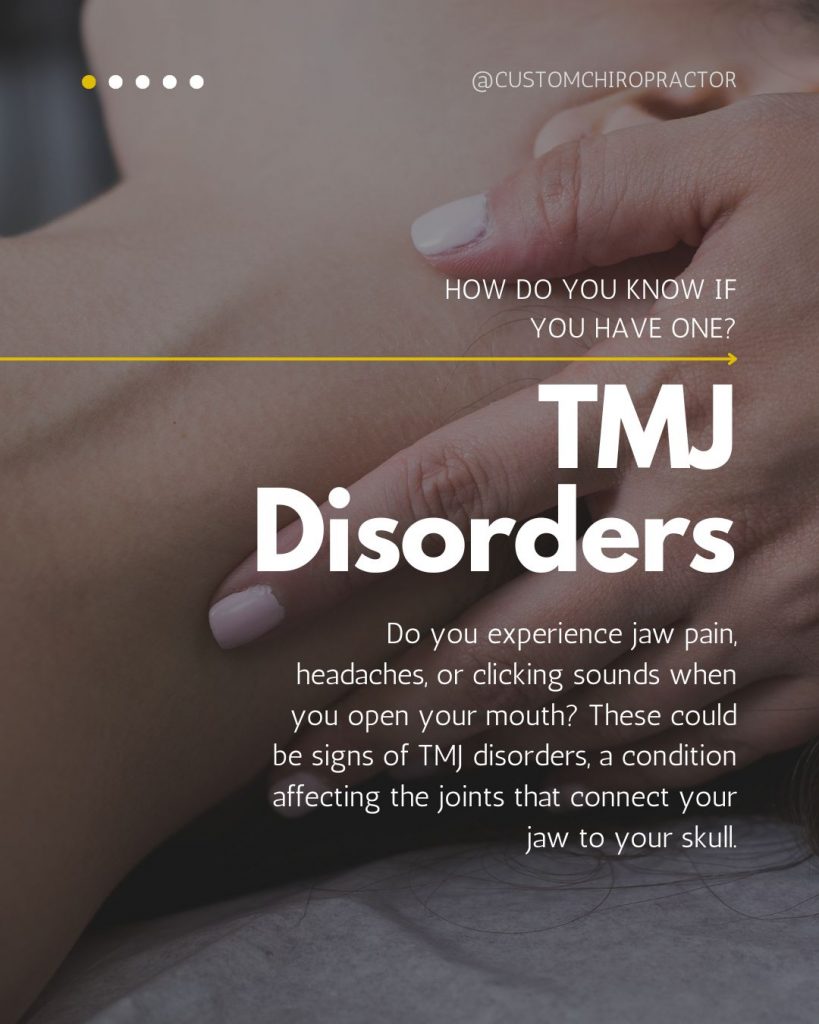
TMJ disorders, how do you know if you have one?
Jaw pain, headaches, and difficulty chewing are common complaints many people experience but often ignore. In many cases, these symptoms may point to TMJ disorders, a group of conditions affecting the temporomandibular joint. This joint connects your jaw to your skull and plays a crucial role in speaking, chewing, and facial movement.
Because the symptoms can overlap with other conditions, many individuals live with TMJ disorders for years before realizing what is actually causing their discomfort. Understanding the warning signs and possible causes can help you seek proper treatment earlier and avoid long-term complications. If you want to learn more about holistic treatment approaches, you can explore resources available at
Custom Chiropractor.
What Are TMJ Disorders?
TMJ disorders refer to dysfunction or irritation involving the temporomandibular joints, the hinge-like joints located on each side of your head just in front of the ears. These joints allow your jaw to open, close, and move side to side.
When the joint, surrounding muscles, or connective tissues become inflamed or misaligned, everyday actions like chewing or speaking may become painful. In some cases, the jaw may even lock or produce clicking and popping sounds. Because the jaw joint is closely connected to muscles in the neck and head, problems here can also lead to headaches and facial tension.
Common Symptoms of TMJ Disorders
The symptoms of TMJ disorders can vary widely from person to person. Some people experience mild discomfort while others struggle with chronic pain and restricted jaw movement.
Common signs include:
- Pain or tenderness in the jaw
- Clicking, popping, or grinding sounds when opening the mouth
- Difficulty chewing or biting
- Jaw locking in an open or closed position
- Frequent headaches or migraines
- Ear pain or ringing in the ears
- Facial pain or pressure
If these symptoms occur regularly, it may indicate underlying TMJ disorders that should be evaluated by a healthcare professional.
What Causes TMJ Disorders?
There is rarely a single cause behind TMJ disorders. Instead, they often develop from a combination of physical stress, injury, and lifestyle habits. Some of the most common contributing factors include:
- Jaw injury or trauma
- Teeth grinding or clenching (bruxism)
- Arthritis affecting the jaw joint
- Poor posture, especially forward head posture
- Stress that leads to muscle tension
- Misalignment of the bite or jaw
Poor posture and neck misalignment are particularly overlooked factors. Chiropractic approaches that address spinal alignment and muscle tension may help reduce strain on the jaw. You can learn more about posture and spinal care on the
Custom Chiropractor blog.
How Are TMJ Disorders Diagnosed?
Diagnosing TMJ disorders typically begins with a detailed medical history and physical examination. A healthcare provider will evaluate jaw movement, listen for clicking sounds, and check for pain or tenderness around the joint.
In some cases, imaging tests such as X-rays, CT scans, or MRIs may be recommended to examine the joint structure more closely. These tests help determine whether the issue involves joint damage, inflammation, or muscle dysfunction.
Early diagnosis can make a significant difference because untreated jaw dysfunction may worsen over time and lead to chronic discomfort.
Treatment Options for TMJ Disorders
Fortunately, many cases of TMJ disorders respond well to conservative treatments. The goal is usually to reduce inflammation, relax the surrounding muscles, and restore proper joint movement.
Common treatment approaches include:
- Jaw exercises and physical therapy
- Stress reduction techniques
- Mouthguards to prevent grinding
- Anti-inflammatory medications
- Hot or cold therapy
Some patients also benefit from chiropractic care that focuses on improving alignment in the neck, spine, and jaw. Proper alignment can reduce muscular tension that contributes to TMJ disorders. To explore natural treatment options, visit
Custom Chiropractor services.
When Should You Seek Professional Help?
Occasional jaw discomfort is common, but persistent symptoms may signal TMJ disorders that require professional attention. If your jaw pain lasts more than a few weeks, worsens over time, or interferes with eating and speaking, it’s best to consult a healthcare provider.
Early treatment can prevent complications such as chronic headaches, severe jaw stiffness, and long-term joint damage.
Preventing TMJ Disorders
While not all cases can be prevented, certain habits may reduce the risk of developing TMJ disorders. Protecting your jaw and reducing muscle tension can go a long way in maintaining joint health.
- Maintain good posture when working at a desk
- Avoid chewing gum excessively
- Practice stress management techniques
- Stretch and relax the jaw muscles regularly
- Seek treatment for teeth grinding
Regular chiropractic care may also help maintain proper alignment throughout the spine and jaw, which can reduce mechanical stress on the temporomandibular joint.
Additional Points to Consider
When dealing with TMJ disorders, it’s helpful to remember a few additional factors that may influence your recovery:
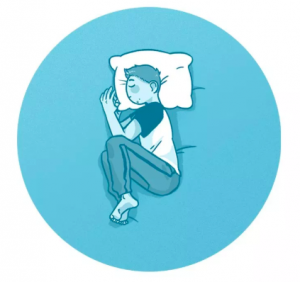
- Sleep position can affect jaw tension
- Hydration supports muscle function
- Neck mobility exercises may reduce jaw strain
- Stress management plays a major role in symptom control
Addressing these lifestyle factors alongside professional care can significantly improve outcomes.
Final Thoughts
Living with jaw discomfort can be frustrating, but recognizing the signs of TMJ disorders is the first step toward relief. From jaw clicking and headaches to facial pain and stiffness, these symptoms often signal underlying joint dysfunction.
The good news is that most cases can be managed with conservative care, lifestyle adjustments, and targeted therapies. If you suspect your symptoms may be related to jaw dysfunction, seeking professional evaluation can help you find the most effective treatment path and restore comfort to your daily life.