Camping, Kayaking, and Carrying Gear: How to Protect Your Spine Outdoors
How to protect your spine outdoors while camping, kayaking, or carrying gear is an essential topic for anyone who loves adventure but wants to avoid unnecessary pain or injury. While exploring nature can be refreshing and exciting, it can also put significant strain on your back if you’re not careful. Fortunately, with the right techniques and preparation, you can enjoy the outdoors while keeping your spine healthy and strong.
In this guide, we’ll walk through practical strategies to help you stay safe, reduce strain, and fully enjoy your outdoor experience.
Why Spine Health Matters During Outdoor Activities
First and foremost, your spine plays a central role in nearly every movement you make. Whether you’re hiking to a campsite, paddling across a lake, or lifting heavy gear, your back is constantly engaged. Therefore, understanding how to protect your spine outdoors while performing these activities can make the difference between a great trip and one cut short by discomfort.
According to experts, poor lifting techniques and repetitive strain are leading causes of outdoor-related back injuries. For more insight into spinal health, you can explore this helpful resource from Spine-Health.
Smart Packing: Lighten the Load
One of the easiest ways to protect your back is by packing wisely. Overpacking not only makes your trip more difficult but also increases the strain on your spine.
To begin with, choose lightweight gear whenever possible. Additionally, distribute weight evenly in your backpack, placing heavier items close to your body. This helps maintain balance and reduces pressure on your lower back.
For more tips on ergonomic movement and posture, visit Custom Chiropractor’s posture correction page.
Proper Lifting Techniques for Carrying Gear
Another crucial aspect is learning how to lift correctly. Improper lifting is one of the most common causes of back injuries.
Instead of bending at your waist, always bend your knees and keep your back straight. Engage your core muscles and lift with your legs. Moreover, avoid twisting your torso while carrying heavy items, as this can lead to strain or injury.
If you frequently carry heavy gear, consider reading this guide on safe lifting techniques from Mayo Clinic.
Kayaking Without Back Pain
Kayaking is an incredible way to explore waterways, but it can also put stress on your spine if your posture is off. Therefore, maintaining proper form is key.
Start by sitting upright with your back aligned and your core engaged. Adjust your seat to support your lower back, and keep your knees slightly bent. Additionally, use your torso—not just your arms—when paddling to distribute effort evenly.
Because repetitive motion can lead to stiffness, it’s important to stretch before and after kayaking. You can find helpful stretching routines at Custom Chiropractor’s stretching exercises page.
Choosing the Right Backpack
Equally important, selecting the right backpack can significantly impact your comfort. Look for a pack with padded shoulder straps, a hip belt, and proper lumbar support.
A well-designed backpack transfers weight from your shoulders to your hips, reducing spinal strain. Furthermore, adjusting the straps to fit your body properly ensures better posture while hiking or carrying gear.
This is another key factor in mastering protection for your spine while being outdoors.
Strengthening Your Core for Better Support
In addition to proper technique, building a strong core can greatly enhance your spinal stability. Your core muscles support your spine and help you maintain good posture during physical activities.
Incorporate exercises like planks, bridges, and bird-dogs into your routine. Not only do these strengthen your muscles, but they also improve balance and coordination.
For guided exercises, check out Custom Chiropractor’s core strengthening resources.
Take Breaks and Listen to Your Body
While it may be tempting to push through fatigue, taking regular breaks is essential. Overexertion can lead to poor posture and increased risk of injury.
During breaks, stretch gently and hydrate. Additionally, pay attention to any signs of discomfort. If you notice persistent pain, it’s best to rest and address the issue before it worsens.
Understanding your limits is a critical part of protecting your spine in the outdoors.
Sleeping Smart While Camping
Surprisingly, how you sleep outdoors can also affect your spine. Uneven ground and inadequate support can lead to stiffness and pain the next day.
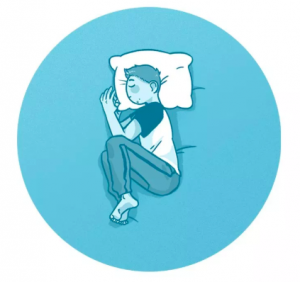
To improve your sleep setup, use a quality sleeping pad or air mattress. These provide cushioning and help maintain spinal alignment. Furthermore, sleeping on your back or side with proper support can prevent unnecessary strain.
You can learn more about healthy sleep posture at Sleep Foundation.
When to Seek Professional Help
Even with the best precautions, injuries can still happen. If you experience ongoing discomfort, stiffness, or sharp pain, it may be time to consult a professional.
Chiropractic care can help address misalignments and improve mobility. For personalized care options, visit Custom Chiropractor.
Final Thoughts
Ultimately, protecting your spine outdoors comes down to preparation, awareness, and proper technique. By packing smart, lifting correctly, maintaining good posture, and strengthening your core, you can significantly reduce your risk of injury.
Not only will these strategies keep your spine safe, but they will also enhance your overall outdoor experience. So, as you plan your next adventure, remember to prioritize your back health every step of the way.
With the right approach, you can enjoy the beauty of nature—pain-free and fully energized.