Strength training for lower back rehab is one of the most effective ways to reduce pain, rebuild stability, and prevent future injuries. If you’re new to rehabilitation or recovering from discomfort, starting a structured strength program can feel overwhelming—but with the right guidance, it can be both safe and highly effective.
This complete beginner’s guide to strength training for lower back rehab will walk you through the fundamentals, benefits, and best exercises to help you recover and stay pain-free.
The Global Impact of Low Back Pain
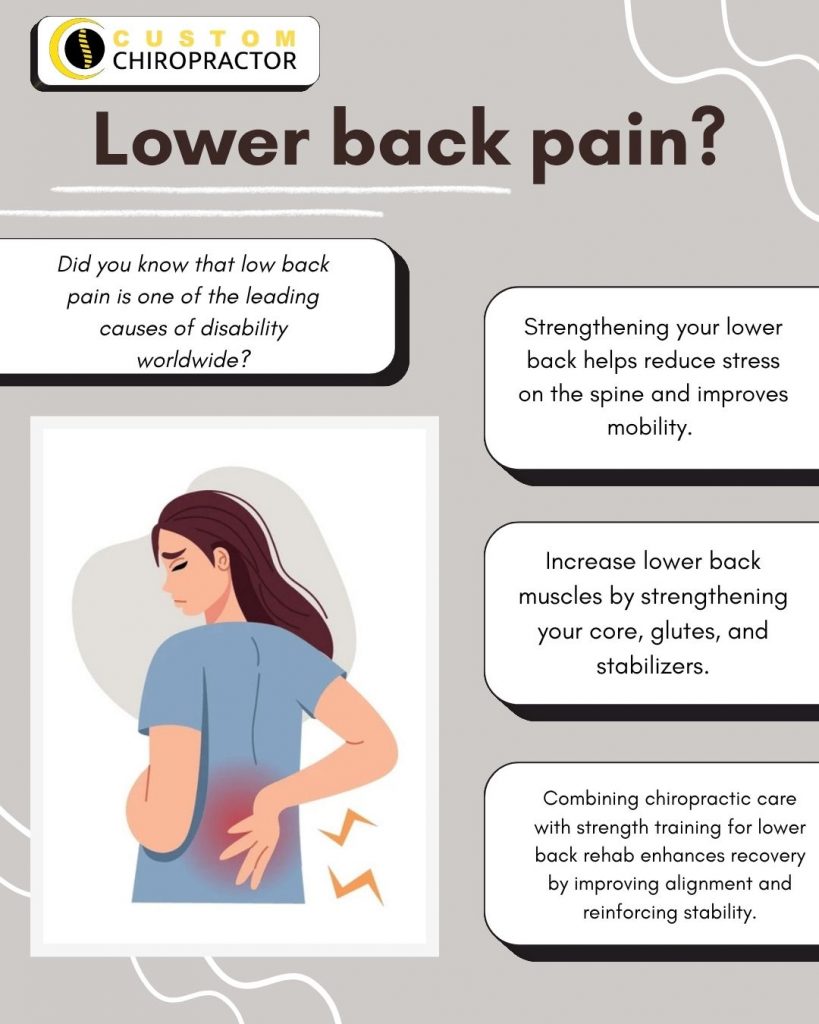
Low back pain is one of the leading causes of disability worldwide. In 2020, low back pain affected approximately 619 million people globally, with projections estimating 843 million cases by 2050. This makes effective strategies like strength training for lower back rehab more important than ever.
Major contributors to years lived with disability include occupational factors, smoking, and high body mass index (BMI). Additionally, sedentary behavior has been associated with a moderate increase in the risk of low back pain in adults, children, and adolescents.
These statistics highlight the importance of proactive approaches such as strength training for lower back rehab combined with lifestyle changes.
Why Strength Training is Essential for Lower Back Rehab
The lower back, or lumbar spine, is responsible for supporting much of your body weight and enabling everyday movements. When these structures become weak or unstable, pain and injury are more likely.
Strength training for lower back rehab targets the muscles that support the spine, including the core, glutes, and stabilizers. Strengthening these areas reduces stress on the spine and improves function.
For more information on spinal health, visit customchiropractor.com/spine-health.
Key Benefits of Strength Training for Lower Back Rehab
Incorporating strength training for lower back rehab into your routine provides several benefits:
- Reduces lower back pain
- Improves posture and alignment
- Enhances mobility and flexibility
- Builds core strength and endurance
- Prevents future injuries
Unlike passive treatments, active strengthening promotes long-term resilience and recovery.
Explore care options at customchiropractor.com/chiropractic-care.
Understanding the Muscles Involved
Effective strength training for lower back rehab focuses on key muscle groups:
- Core muscles
- Glutes
- Paraspinal muscles
- Hip stabilizers
These muscles work together to support the spine and reduce strain on the lower back.
Best Beginner Exercises for Lower Back Rehab
Starting strength training for lower back rehab doesn’t require heavy weights. Here are safe and effective beginner exercises:
1. Bird Dog
Improves coordination and spinal stability.
2. Glute Bridges
Strengthens hips and reduces lumbar stress.
3. Dead Bugs
Enhances core control while protecting the back.
4. Planks
Builds endurance in core muscles.
5. Wall Sits
Supports posture and lower body strength.
For guided routines, visit customchiropractor.com/exercises.
The Role of Walking and Aerobic Activity
In addition to strength training for lower back rehab, incorporating aerobic activity is highly beneficial. Walking is one of the simplest and most effective options.
Experts recommend 3–5 brisk walks per day lasting 5–10 minutes each, especially for individuals with low back pain. This helps improve circulation, reduce stiffness, and support recovery.
Combining walking with strength training for lower back rehab creates a balanced and sustainable rehabilitation program.
WHO Exercise Guidelines for Adults
According to global health recommendations, adults aged 18–65 and older should engage in strength-based activities at least 2 days per week at moderate or greater intensity.
These workouts should involve all major muscle groups, making strength training for lower back rehab a key component of overall health and injury prevention.
How to Start Safely
When beginning strength training for lower back rehab, follow these safety tips:
- Start with bodyweight exercises
- Focus on proper form
- Progress gradually
- Avoid painful movements
Professional guidance can help ensure safe progress. Learn more at customchiropractor.com/contact.
Common Mistakes to Avoid
Beginners in strength training for lower back rehab should avoid:
- Poor technique
- Skipping warm-ups
- Progressing too quickly
- Ignoring pain signals
Combining Chiropractic Care with Strength Training
Combining chiropractic care with strength training for lower back rehab enhances recovery by improving alignment and reinforcing stability.
Explore services at customchiropractor.com/services.
Long-Term Success and Prevention
Continuing strength training for lower back rehab after recovery is essential for preventing future pain. Consistency helps maintain strength, mobility, and spinal health.
Conclusion
Strength training for lower back rehab is a powerful, evidence-based approach to reducing pain and improving function. When combined with aerobic activity, proper guidance, and consistency, it offers long-term benefits for individuals of all fitness levels.
Start your journey today by exploring expert resources at customchiropractor.com.