Cranial Facial Release: Exploring a Gentle Approach to Facial Balance, Breathing, and Wellness
The human body functions as an interconnected system, and many people are exploring specialized wellness approaches that focus on the relationship between the head, face, jaw, and nervous system. Cranial Facial Release is a specialized technique that has gained interest among individuals seeking a gentle, non-invasive approach designed to address areas of tension and structural balance.
While research on Cranial Facial Release is still developing, many practitioners and patients report that this technique may complement broader wellness strategies focused on mobility, comfort, and overall function. As interest continues to grow, understanding what Cranial Facial Release involves, how it is performed, and what people commonly seek from this approach can help individuals make informed decisions about their care.
What Is Cranial Facial Release?
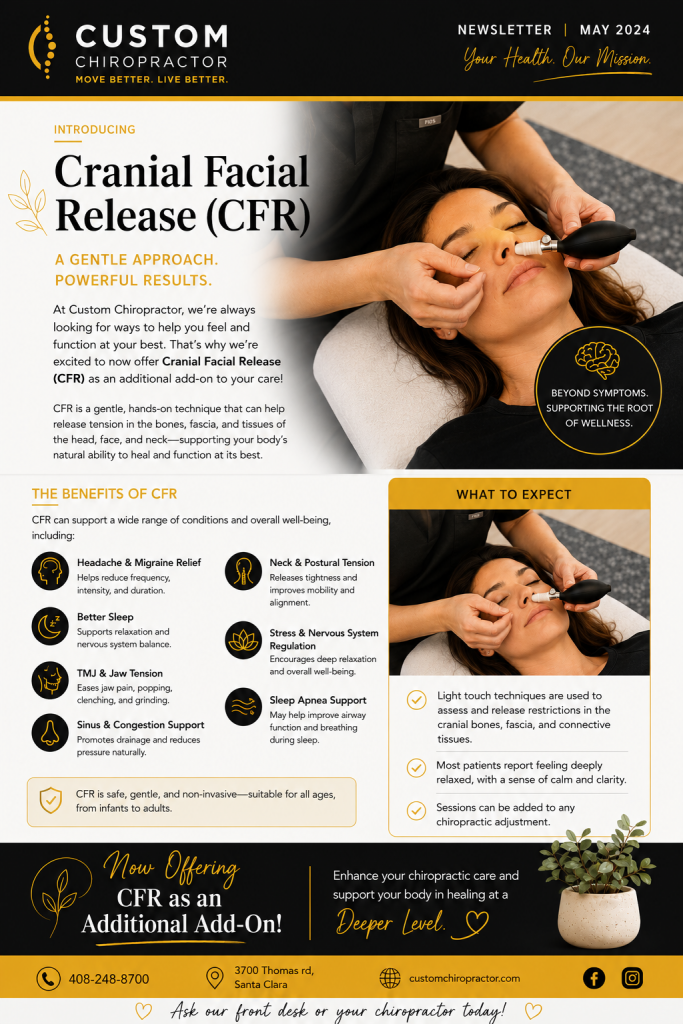
Cranial Facial Release is a specialized chiropractic technique that focuses on the structures of the face and skull. The method typically involves the use of small inflatable instruments placed inside the nasal passages to deliver controlled expansion. Practitioners use this approach with the goal of influencing cranial structures and supporting proper alignment and mobility.
Unlike traditional chiropractic adjustments that commonly focus on the spine and joints, Cranial Facial Release focuses on the relationship between cranial bones, facial structures, and surrounding tissues. Supporters of the technique suggest that changes in these areas may influence comfort, breathing patterns, and overall facial balance.
However, it is important to understand that individual experiences vary, and scientific research regarding the effectiveness of Cranial Facial Release for specific health conditions remains limited. People considering this technique should discuss their goals, expectations, and health history with a qualified healthcare professional.
For individuals interested in learning more about chiropractic approaches, exploring resources such as general chiropractic care options can provide helpful background information about how chiropractic treatments are commonly used.
How Does Cranial Facial Release Work?
During a Cranial Facial Release session, a trained practitioner typically performs an evaluation before beginning treatment. The practitioner may review areas such as facial structure, jaw movement, posture, breathing patterns, and overall wellness goals.
The technique itself involves inserting a small device into the nasal passage. When activated, the device briefly expands, creating a sensation of pressure within the nasal cavity. Sessions are generally short, although the exact process can vary depending on the provider and the individual’s needs.
Many people are curious about how Cranial Facial Release differs from other chiropractic techniques. Traditional chiropractic care often focuses on improving joint motion and supporting nervous system function through spinal adjustments, while Cranial Facial Release specifically targets cranial and facial structures.
Because the face, jaw, neck, and spine are connected through muscles, connective tissues, and neurological pathways, practitioners who provide Cranial Facial Release often view the technique as one component of a larger wellness plan. This may include posture-focused care, mobility exercises, lifestyle recommendations, and other supportive therapies.
Why Are People Interested in Cranial Facial Release?
Interest in Cranial Facial Release has increased as more people look for personalized approaches to wellness. Many individuals seek care related to concerns involving facial tension, jaw discomfort, breathing habits, or general structural balance.
For example, some people explore facial-focused techniques alongside care for conditions involving the jaw, such as temporomandibular joint (TMJ) discomfort. If you are researching jaw health, resources such as TMJ and jaw-related care information may provide additional background on available approaches.
Additionally, breathing and sleep quality are areas of growing public interest. Breathing difficulties can have many different causes, and Cranial Facial Release should not be considered a replacement for medical evaluation or treatment when a diagnosed condition is present.
The Importance of a Personalized Approach
Every person’s anatomy, health history, and wellness goals are different. Consequently, a personalized approach is essential when considering any specialized technique, including Cranial Facial Release.
A qualified practitioner will typically consider factors such as previous injuries, current symptoms, lifestyle factors, and overall health before recommending whether a technique may be appropriate. Combining professional guidance with healthy habits can help individuals create a well-rounded wellness strategy.
What Can Someone Expect During a Cranial Facial Release Session?
For individuals considering Cranial Facial Release, understanding the appointment process can make the experience more comfortable. Although each provider may structure visits differently, sessions commonly begin with a consultation and evaluation. This allows the practitioner to understand the individual’s goals and determine whether the technique is appropriate within a broader wellness plan.
During the appointment, the practitioner may discuss areas such as facial tension, jaw comfort, breathing patterns, posture, and previous health concerns. Because every person has unique needs, the number of sessions recommended and the overall approach may differ from person to person.
The technique itself is generally performed quickly. A specialized instrument is carefully positioned within the nasal passage and briefly expanded. People commonly describe the sensation as pressure or fullness rather than traditional discomfort. However, individual experiences vary, and anyone with concerns should communicate openly with their healthcare provider before beginning treatment.
After a session, some individuals report changes in sensations around the face, sinuses, or breathing patterns. These experiences can vary widely, and Cranial Facial Release should be viewed as one potential component of a comprehensive wellness strategy rather than a guaranteed solution for specific medical conditions.
How Cranial Facial Release Fits Into a Holistic Wellness Plan
Modern wellness care often focuses on looking at the body as an interconnected system rather than addressing individual areas in isolation. Cranial Facial Release is frequently discussed alongside other approaches that focus on posture, mobility, and functional movement.
For example, tension in the jaw, neck, and upper body can sometimes be influenced by daily habits such as prolonged screen use, stress, posture patterns, or repetitive activities. Addressing these contributing factors may involve a combination of professional care, movement strategies, and lifestyle adjustments.
A chiropractor may recommend complementary approaches such as spinal care, corrective exercises, soft tissue techniques, or ergonomic guidance depending on an individual’s circumstances. You can learn more about personalized treatment approaches through resources such as custom chiropractic care options.
Potential Benefits People Commonly Seek From Cranial Facial Release
People explore Cranial Facial Release for a variety of personal wellness goals. Some individuals are interested because they want to support facial comfort, improve awareness of breathing patterns, or explore additional options alongside their existing healthcare routine.
Common reasons people inquire about this technique may include:
- Exploring options for facial and jaw relaxation
- Supporting overall structural balance
- Learning about approaches focused on the relationship between facial structures and the body
- Adding a specialized technique to an existing wellness routine
- Understanding alternative approaches to personal care
It is important to approach these potential benefits with realistic expectations. While many patients share positive experiences, more research is needed to establish the effectiveness of Cranial Facial Release for treating specific medical conditions. A qualified provider can help individuals understand whether this technique aligns with their personal goals.
Who May Want to Learn More About Cranial Facial Release?
Cranial Facial Release may be of interest to individuals who are looking for specialized wellness services and want to explore options beyond traditional approaches. People often research this technique because they are curious about the connection between facial structures, breathing, jaw function, and overall body mechanics.
However, individuals with specific medical concerns should always seek appropriate evaluation from licensed healthcare professionals. For example, symptoms involving chronic sinus problems, sleep disorders, significant jaw pain, or breathing difficulties may require assessment from medical specialists in addition to any wellness services someone chooses to explore.
Reliable educational resources can help individuals better understand related topics. For example, the Mayo Clinic provides information about temporomandibular joint disorders, including symptoms and commonly discussed treatment approaches.
Choosing a Qualified Cranial Facial Release Provider
Selecting the right provider is an important part of exploring Cranial Facial Release. Individuals should look for a licensed healthcare professional who can explain the technique clearly, answer questions, and discuss realistic expectations.
A quality consultation should include a discussion of health history, goals, and any concerns about the procedure. Patients should feel comfortable asking questions about training, experience, and how Cranial Facial Release fits into a broader care plan.
Ultimately, the best wellness decisions come from informed conversations between patients and qualified professionals. Understanding the technique, reviewing available information, and maintaining realistic expectations can help individuals determine whether Cranial Facial Release is an appropriate option for their needs.
Frequently Asked Questions About Cranial Facial Release
Is Cranial Facial Release painful?
Many people who experience Cranial Facial Release describe the procedure as a brief sensation of pressure rather than pain. Because the technique involves the nasal passages and facial structures, individual experiences can vary. A qualified provider should explain the process beforehand and make adjustments based on comfort and personal circumstances.
How long does a Cranial Facial Release session take?
Appointments involving Cranial Facial Release are typically designed to be relatively short. The exact length of a visit depends on whether the session includes an evaluation, discussion of health goals, or additional chiropractic services. A provider can explain what to expect during an initial consultation.
Is Cranial Facial Release a replacement for medical treatment?
No. Cranial Facial Release should not replace medical diagnosis, emergency care, or treatment recommended by a licensed healthcare professional. Individuals experiencing symptoms related to breathing, sleep disorders, chronic pain, or other health concerns should seek appropriate evaluation.
Instead, some individuals choose to explore Cranial Facial Release as part of a broader wellness plan that may include chiropractic care, exercise, lifestyle changes, and other supportive approaches.
How many Cranial Facial Release sessions are needed?
The number of sessions recommended can vary depending on individual goals, health history, and provider assessment. There is no universal treatment schedule that applies to everyone. A qualified practitioner can discuss what may be appropriate based on personal circumstances.
What makes Cranial Facial Release different from traditional chiropractic care?
Traditional chiropractic care often focuses on spinal alignment, joint movement, and musculoskeletal function. Cranial Facial Release is a specialized technique that focuses on facial and cranial structures. Some providers incorporate it alongside traditional chiropractic methods as part of an individualized approach.
Those interested in learning more about chiropractic techniques can explore additional information through resources such as chiropractic services and treatment options.
Understanding the Importance of Evidence-Based Wellness Decisions
As interest in specialized wellness techniques grows, it is increasingly important for individuals to evaluate information carefully. Cranial Facial Release has gained attention among practitioners and patients, but research continues to develop regarding its effectiveness for specific health outcomes.
Making informed decisions involves considering multiple factors, including professional guidance, personal health history, scientific research, and individual goals. A responsible wellness approach recognizes that one technique may be helpful for one person while not being the right choice for another.
Additionally, choosing providers who communicate openly about both the potential benefits and limitations of a technique helps create a more transparent healthcare experience. Patients should feel empowered to ask questions and understand how any approach fits into their overall health strategy.
Exploring Cranial Facial Release as Part of Personalized Care
The growing interest in Cranial Facial Release reflects a larger trend toward personalized wellness. Many people are looking for approaches that consider their unique anatomy, lifestyle, and health goals rather than relying on a one-size-fits-all model.
Whether someone is interested in facial structure, jaw comfort, breathing awareness, or general wellness, the first step is learning how different approaches work and determining whether they align with personal needs.
A personalized care plan may include a combination of professional evaluation, chiropractic techniques, movement recommendations, and healthy lifestyle habits. You can learn more about individualized approaches by exploring personalized chiropractic wellness resources.
Final Thoughts on Cranial Facial Release
Cranial Facial Release is a specialized technique that has attracted attention among individuals interested in innovative approaches to facial structure, comfort, and wellness. While many people seek out this method as part of their personal health journey, it is important to maintain realistic expectations and understand that research on the technique is still developing.
The best healthcare decisions are based on education, communication, and personalized guidance. By working with qualified professionals, individuals can better understand their options and choose approaches that support their overall wellness goals.
If you are curious about whether Cranial Facial Release may fit into your wellness plan, consider scheduling a consultation with a qualified provider who can discuss your goals, answer questions, and explain how this technique may complement other approaches to care.